

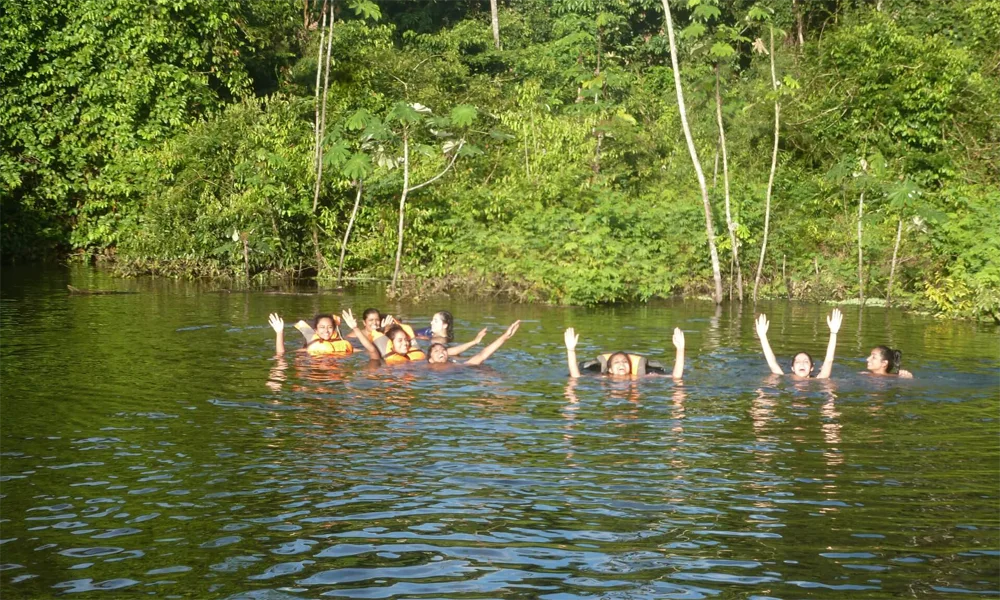
Deep Expedition to Manu 7 Days | Wildlife, Cloud Forest
DESCRIPTION
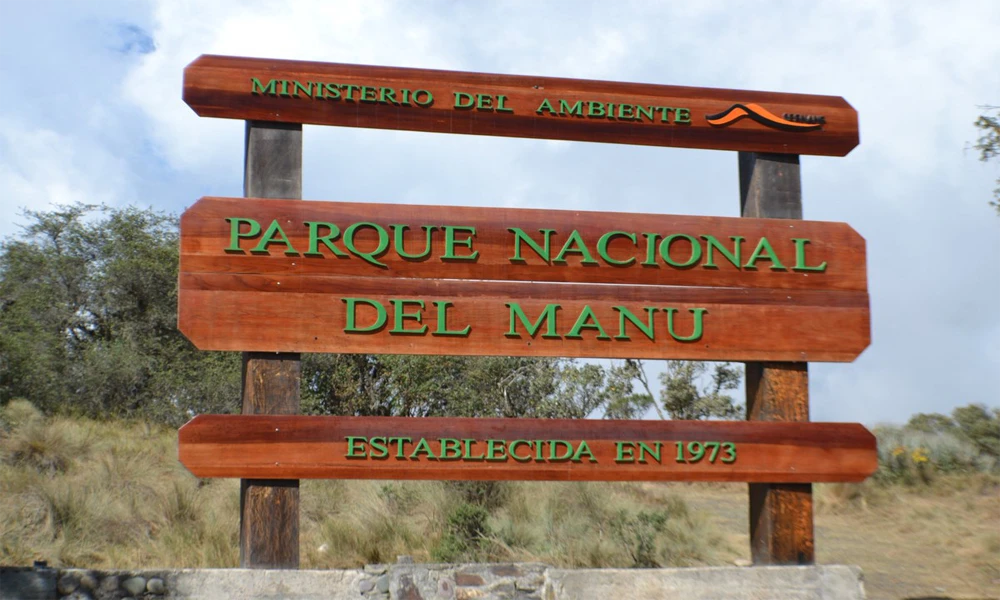
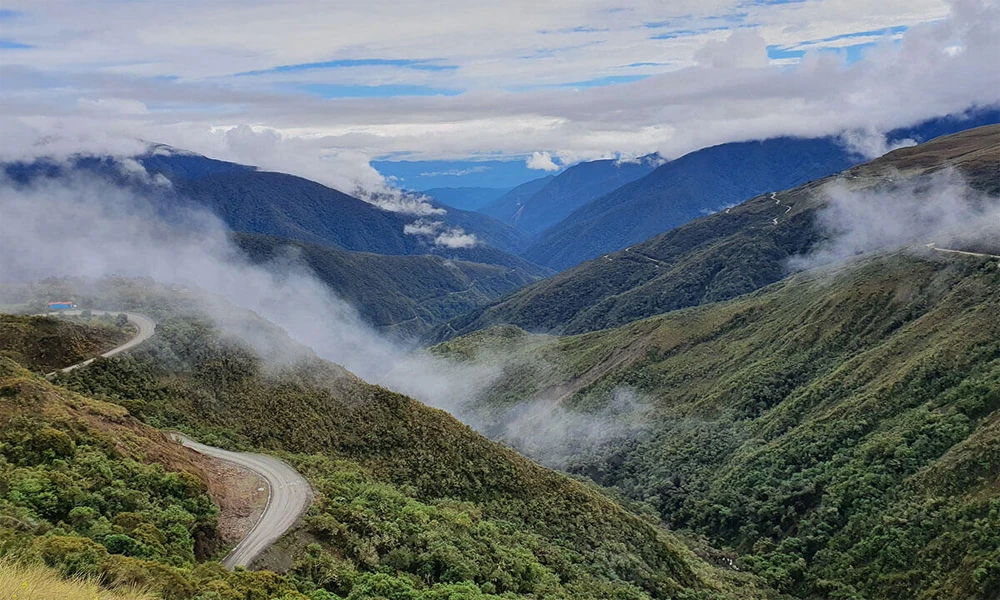
Embark on an epic journey into the heart of Manu National Park, one of the most biodiverse and pristine destinations on the planet. For 7 days, you’ll delve into landscapes that transform from the Andes to the rainforest, traversing cloud forests, navigating winding rivers, and exploring habitats where wildlife reigns supreme.
You’ll encounter native cultures like the Matsigenka, observe exotic birds and playful monkeys from elevated platforms, and experience the thrill of nighttime hikes in search of creatures hidden in the dense undergrowth. You’ll sleep in rustic lodges within the Reserve, disconnected from the modern world but connected to what truly matters: nature, silence, and the ancestral magic of the Amazon.
ITINERARY
🗓️ Detailed Itinerary
📍Day 1: Cusco – Paucartambo – San Pedro
Early morning pick-up from your hotel
We begin our Manu expedition with an approximately 8-hour drive, traversing beautiful Andean valleys and watching the sunrise over mountains and traditional agricultural terraces. Along the way, we stop in Paucartambo to enjoy a typical regional breakfast.
Visit to the Chullpas of Ninamarca
We stop at the Chullpas of Ninamarca, a pre-Incan burial site, where our guide will share the history and significance of these structures, used by the ancient inhabitants of the highlands to worship their ancestors.
Tour of the Colonial Town of Paucartambo
Upon arriving in the town of Paucartambo, known as the “town of living folklore,” we stroll along its cobblestone streets and visit its colonial church and local museum, where we can learn about the dances and traditions of the region.
Descent to the Cloud Forest
After lunch along the way, we continue towards the Cloud Forest. Here, the landscape begins to change from mountains to a warmer, more humid environment, ideal for observing birds and tropical flora. Birds such as the Andean Tanager and the Golden-headed Quetzal can be spotted along the way.
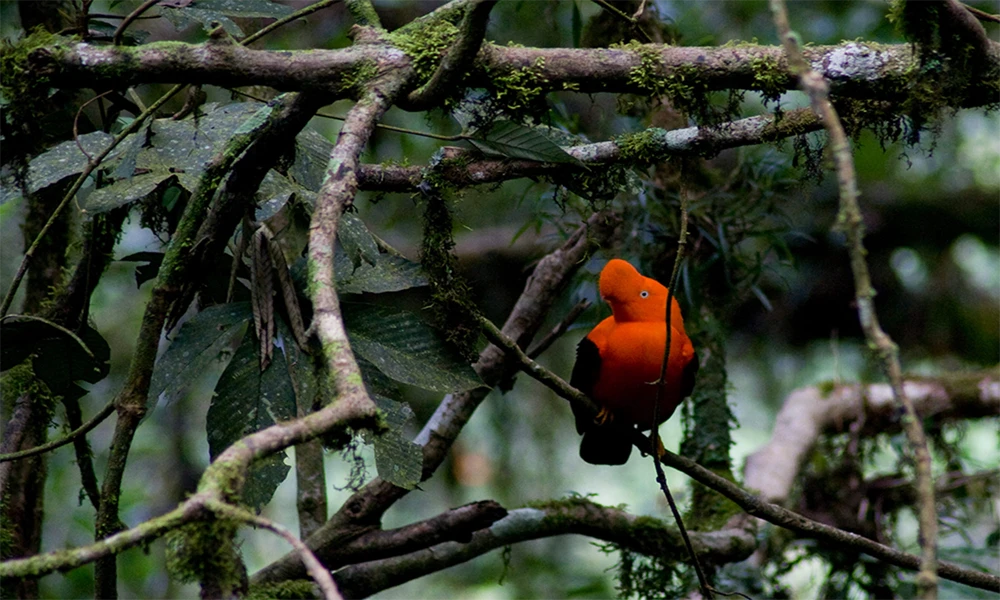
Andean Cock-of-the-Rock Observation
At one of the forest’s observation points, we can witness the courtship ritual of the Andean Cock-of-the-Rock, one of the most impressive displays of Peruvian wildlife.
Overnight at Posada San Pedro Lodge
We end the day with a home-cooked dinner at the lodge, where we stay in a rustic setting surrounded by nature. Rest will be restorative, with the sounds of the jungle as our soundtrack.
📍Day 2: San Pedro – Atalaya – Pantiacolla Lodge
Early breakfast and departure for the rainforest
After a nutritious breakfast, we depart for the village of Atalaya. Here, we board a motorized canoe to navigate the Alto Madre de Dios River, where the vegetation begins to grow denser and more vibrant.
Hike through the rainforest
We take a 30-minute hike, observing a wide variety of flora and fauna. It is possible to see monkeys, toucans, exotic insects, and a multitude of colorful butterflies.
Visit to a coca plantation and animal rescue center
We will visit a traditional coca leaf plantation, where we will learn about its cultivation and cultural uses. Next, we visited an animal rescue center, where they rehabilitate species rescued from illegal trafficking, such as macaws and sloths.
Continuing to Pantiacolla Lodge
We continued downriver to Pantiacolla Lodge, our accommodation for the night, where we rested after a day of exploration. In the afternoon, we took a night walk to observe insects, lizards, and, if we were lucky, the night monkey, or douricouli.
Overnight at the Amazon Eco Lodge
📍Day 3: Boca Manu – Limonal – Matsiguenka Lodge – Lake Otorongo
Departure for the Parrot Clay Lick
We start the day very early to reach the Parrot Clay Lick, where various species of parrots, macaws, and parakeets gather to ingest minerals from a clay ravine.
Manu River Navigation and Wildlife Observation
We navigate upstream on the Manu River for approximately 4 hours, where we can observe caimans, turtles, capybaras, birds, and, if we are lucky, jaguars.
Lunch at Matsiguenka Lodge
Upon arrival at Matsiguenka Lodge, we enjoy a local lunch prepared with fresh regional products. This lodge, managed by the Matsiguenka community, is an example of sustainable ecotourism.
Visit to Lake Otorongo
In the afternoon, we visit Lake Otorongo, where we climb the observation tower to admire the wildlife in its natural habitat, including giant otters, caimans, and birds such as macaws and toucans.
Night Hike in Search of Wildlife
Before going to sleep, we take a night hike in search of nocturnal animals, such as snakes, tarantulas, and frogs.
Overnight at the lodge
📍Day 4: Lake Otorongo – Lake Salvador
Breakfast and Hike to Lake Salvador
We depart early for a hike through the primary forest to reach Lake Salvador, home to unique species. This pristine ecosystem is perfect for observing the giant otter, black caiman, and hoatzin.
Exploring Lake Salvador by Catamaran
Aboard rafts or a catamaran, we explore the lake to see the wildlife and learn about the unique biodiversity that inhabits this area.
Deep Forest Hike
Upon returning to the lodge, we’ll embark on a 3-hour hike through the deep forest, observing giant trees like the shihuahuaco and learning about ecological balance.
Optional Night Hike
Another optional night hike will take us to discover the rainforest at night, searching for caimans and other nocturnal animals.
Overnight at Casa Machiguenga
📍Day 5: Lake Otorongo – Boca Manu
Early breakfast and boat trip to Boca Manu
We’ll navigate the Manu River, observing riverside birds and other animals as we head towards Boca Manu, a small Amazonian village.
Forest Hike and Giant Tree Observation
We’ll take a hike to observe trees like the shihuahuaco and other giants of the rainforest.
Overnight at the lodge
📍Day 6: Boca Manu – Puerto Atalaya – Amazon Eco Lodge
Madre de Dios River Navigation
In the morning, we begin our return journey to the Amazon Eco Lodge. We enjoy the flora and fauna in their natural environment.
Hike in the pristine jungle areas
We take a hike through the pristine environment near the Eco Lodge, where we explore the life in the forest.
Overnight at the Amazon Eco Lodge
📍Day 7: Return to Cusco
Farewell and return to Cusco
We have an early breakfast and head to the port of Atalaya to take the transport back to Cusco, where we arrive around 6:00 p.m.
INCLUDES
✅ What’s Included in the Tour?
Transportation
- 🚙 Ground transportation by tourist bus from Cusco to the port of Atalaya, passing through Paucartambo and the Cloud Forest.
- 🛶 River transportation by motorized canoe from Atalaya to all points of the trip (Madre de Dios and Manu rivers) to the Reserved Zone and back.
Guide and Professional Team
- 🧭 Specialized naturalist guide, accredited by SERNANP, with extensive knowledge of Amazonian flora, fauna, and culture. Spanish language (other languages available upon request).
- 🧑🍳 Professional cook and complete logistical team accompanying you throughout the tour.
- 🧑🚒 Experienced boat crew, including a licensed boat driver and assistant.
Accommodation
- 🏡 6 nights in rustic and eco-friendly Amazonian lodges and hostels.
- Each lodge offers private or shared rooms with beds, mosquito nets, shared or eco-friendly bathrooms, and limited energy provided by solar panels or a generator.
Meals
- 🥗 5 breakfasts, 7 lunches, and 6 full dinners, prepared with fresh, local ingredients.
- 🥬 Vegetarian or special dietary options are available upon request.
- 🧃 Purified and boiled water is available at each lodge (please bring a reusable bottle).
Safety and Logistics
- 🩺 Basic first-aid kit is available at all times.
- ☎️ Satellite or radio communication is available at strategic points.
NOT INCLUDED
❌ What’s not included?
While the tour is quite comprehensive, there are some items not included in the base price:
- ❌Breakfast on the first day (a stop is made in Paucartambo for purchasing or having breakfast on your own).
- ❌Dinner on the last day upon returning to Cusco.
- ❌Airfare or optional flights from Boca Manu or Puerto Maldonado (these can be arranged for an additional cost).
- ❌Personal snacks and bottled or alcoholic beverages.
- ❌Tips for the guide, driver, cook, or local staff are optional but recommended as a gesture of appreciation.
- ❌Travel, accident, or cancellation insurance; it is recommended to purchase international insurance before the trip.
- ❌Personal items such as flashlights, batteries, appropriate clothing, insect repellent, binoculars, or cameras.
- ❌Access to Wi-Fi or cell phone signal throughout the journey, as it is a remote area.
RECOMMENDATIONS
🌟 Recommendations
Exploring Manu National Park is an unforgettable adventure, but because it’s a remote and pristine environment, it’s important to be prepared both physically and mentally. Here are some essential tips to make your trip safe, comfortable, and enriching:
🎒 What to bring on the 7-day Manu tour?
- 🎫 Original passport (required to enter the National Park).
- 💧 Reusable water bottle (ideally at least 1 liter).
- 🧢 Hat or cap and sunglasses with UV protection.
- 🌧️ Rain poncho or waterproof jacket, especially useful in the Cloud Forest.
- 🧤 Lightweight, long-sleeved clothing, ideal for avoiding insect bites and protecting yourself from the sun.
- 👖 Comfortable trekking pants or quick-drying clothing.
- 🧦 Several changes of underwear, socks, and t-shirts (it’s constantly damp!).
- 🥾 Hiking boots or waterproof shoes.
- 🦟 Insect repellent with DEET or Icaridin.
- 🧴 Biodegradable sunscreen, SPF 50+.
- 🔦 Headlamp or flashlight with extra batteries.
- 🛏️ Lightweight sleeping bag if you want more comfort (rustic accommodations).
- 📷 Camera or binoculars (optional but highly recommended).
- 🧻 Toilet paper, small towel, and biodegradable personal hygiene items.
- 💊 Basic personal first-aid kit: antihistamines, pain relievers, antacids, blister plasters.
🧘♀️ General Recommendations
- 💪 Prepare to disconnect: there will be no cell phone signal or Wi-Fi for almost the entire trip. It’s an excellent opportunity to reconnect with yourself and nature.
- 💵 Bring cash in soles, as there are no ATMs or POS terminals along the route.
- 🍃 Be respectful of nature: do not leave trash, do not feed the animals, and follow the guide’s instructions at all times.
- 🌿 Avoid using perfumes or products with strong scents, as they can attract insects or repel wildlife.
- 🤝 Follow the local guide’s instructions; they know the terrain, the wildlife, the protocols, and how to keep you safe.
FAQs
❓ Frequently Asked Questions
📌 What is the best time to visit the Manu Reserve?
The best time to visit is during the dry season, between April and October, when the trails are more accessible, the rivers are easier to navigate, and wildlife is more active along the banks. However, Manu can be visited year-round, even during the rainy season (November to March), although some activities may be affected.
📌 Is good physical condition required?
The tour includes hikes along jungle trails, some of which are muddy or wet. You don’t need to be an athlete, but moderate fitness and the ability to walk for several hours on uneven terrain are recommended.
📌 Is there electricity at the lodges?
Most lodges have limited electricity, generated by solar panels or generators, which allows you to charge devices for a few hours a day. Continuous power is not guaranteed. Bring external batteries if needed.
📌 Is it safe to swim in the rivers or lakes?
During the tour, swimming in the rivers or lakes is not permitted for safety and conservation reasons. However, boat, catamaran, and raft trips are completely safe, with trained staff and protective equipment.
📌 What happens if it rains during the tour?
The Amazon rainforest is a naturally humid ecosystem. Rain is frequent, even during the dry season. All activities are designed to adapt to weather conditions, and the guides make decisions based on safety. Therefore, it is essential to wear waterproof clothing.
📌 Is the tour suitable for children?
Yes, although it is recommended for those over 10 years old with an adventurous spirit. Discipline is required to follow the guide, as well as tolerance for insects and long walks. A personalized program can be arranged for families with young children.
📌 Is a yellow fever vaccination required?
It is not mandatory, but the Peruvian Ministry of Health recommends the yellow fever vaccination for travelers to the Amazon. It should be applied at least 10 days before travel. Consulting a travel medicine clinic is also recommended.