

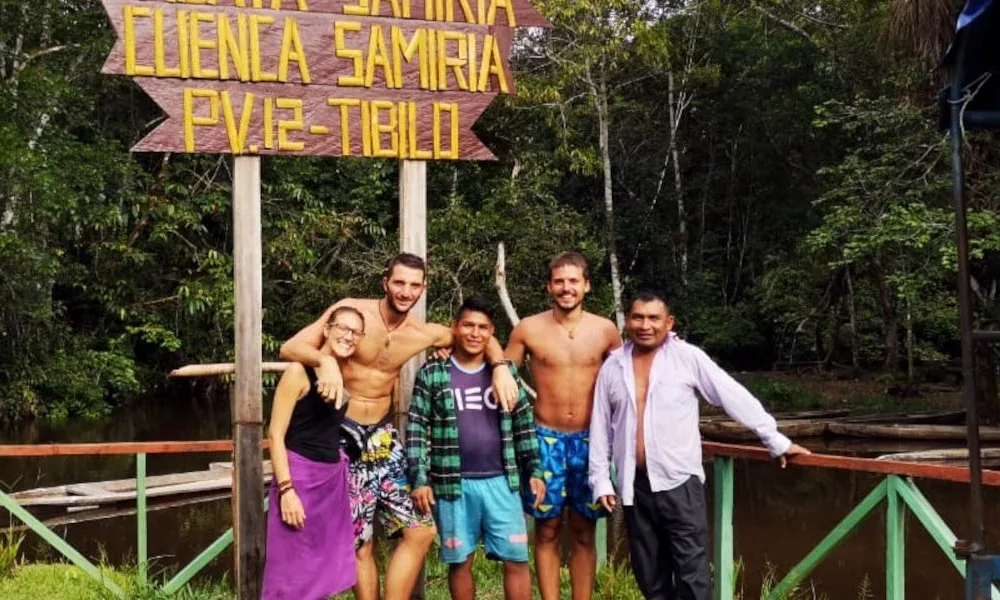


Full Day Trip to Pacaya Samiria National Reserve
DESCRIPTION
Pacaya Samiria National Reserve is one of Peru’s most breathtaking destinations and one of the planet’s largest ecological lungs. Known as “The Mirror of the Jungle” for the perfect reflection of its rivers and lagoons, this reserve offers a profound connection with nature, Amazonian culture, and wildlife in its purest form.
Established in 1982, Pacaya Samiria protects over 2 million hectares of floodplains, wetlands, and rivers that make up one of South America’s most biodiverse ecosystems. It is a natural sanctuary where life flows in every corner and where visitors can feel the vibrant energy of the rainforest.
Location and Natural Environment
The Pacaya Samiria National Reserve is located in the Loreto region of northeastern Peru, between the Marañón, Pacaya, and Samiria rivers, within the province of Requena. It covers an area of over 2,080,000 hectares, encompassing tropical forests, swamps, oxbow lakes, and an extensive network of waterways.
The altitude ranges from 100 to 200 meters above sea level, and its flat terrain, crisscrossed by meandering rivers, creates a perfect habitat for aquatic species, birds, mammals, and reptiles. This territory is home to communities that live in harmony with the environment, preserving ancestral customs and sustainable practices.
Origin and History of the Reserve
The Pacaya Samiria National Reserve was officially established on September 24, 1982, with the purpose of protecting natural resources from deforestation, indiscriminate hunting, and unregulated fishing.
Over the years, it has become a symbol of responsible ecotourism and Amazonian conservation, thanks to the active participation of the local communities that live in and around the protected area.
Today, Pacaya Samiria is a refuge for more than 5,000 species of flora and fauna, including:
- Amazon River Dolphin (Inia geoffrensis)
- Jaguar (Panthera onca)
- Amazonian Manatee (Trichechus inunguis)
- Puma, giant otters, howler monkeys, macaws, and black caimans
In addition, its plant biodiversity includes giant lupuna, aguaje, capirona, and shihuahuaco trees, as well as orchids that paint the forest with vibrant colors year-round.
ITINERARY
🧭 Itinerary
Our adventure begins with a departure from the city of Iquitos, heading towards the charming riverside town of Nauta, a key access point to the Pacaya Samiria National Reserve. As we travel by road, the landscape transforms: we leave the city behind and enter the verdant landscapes of the Amazon rainforest.
In Nauta, the local guide welcomes us at the dock, and we board a comfortable boat that will take us along the Marañón River, one of the most important tributaries of the mighty Amazon. The journey offers exceptional views of the flooded forest, where the treetops are reflected in the water, creating a mesmerizing natural mirror.
Our first major milestone is reaching the mythical Ucamara, the confluence of the Marañón and Ucayali rivers, the birthplace of the majestic Amazon River. Here, the waters seem to come alive as pink and gray dolphins appear among the swirling currents, offering us one of the most iconic spectacles of the Amazonian ecosystem. This moment is perfect for relaxing, contemplating, and taking unforgettable photographs.
During the journey, conditions permitting, we make a special stop at the Yarapa River, famous for its black waters rich in minerals. Here, the more adventurous travelers can take a dip and swim amidst the vibrant energy of the jungle, in a completely safe and supervised environment.
On board the boat, we savor a delicious typical Amazonian lunch, prepared with local ingredients such as plantains, paiche (arapaima), and cecina (dried, salted meat), accompanied by refreshing natural juices.
After lunch
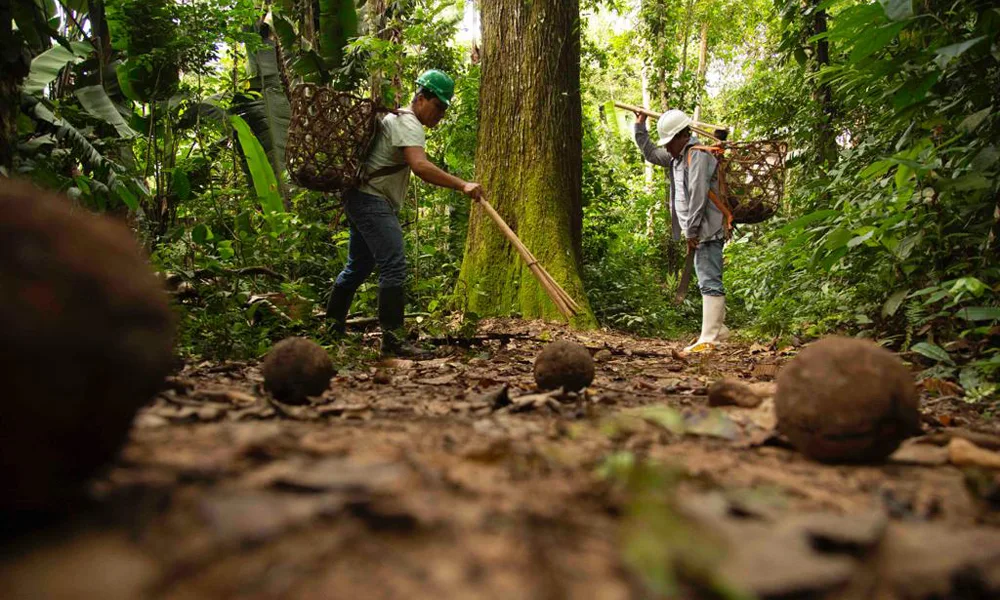
we continue exploring jungle areas with guided hikes that lead us along trails where the sounds of nature abound. This is the ideal time for spotting howler monkeys, capuchin monkeys, squirrels, as well as brightly colored birds, giant insects, and other inhabitants of the tropical rainforest. The guide will explain the ecological role of each species, their behaviors, and how they adapt to this changing environment.
Later, one of the most exciting activities of the day awaits: traditional piranha fishing. Armed with simple rods and traditional bait, we try to catch these cunning fish that inhabit the waters of the Amazon. It is also possible to catch other species such as the acarahuazú or the catfish, all with complete respect for the environment and using catch and release practices.
Near the end of the expedition, we visit areas where giant jungle trees grow, such as the imposing Lupuna, whose monumental trunk exceeds 30 meters in height. These trees are guardians of the forest and refuges for dozens of living beings, and are also steeped in legends and spiritual significance for the Amazonian peoples.
Finally, we begin our return to the Nauta dock, slowly bidding farewell to the magical environment we have explored. The return to Iquitos marks the end of an intense, enlightening, and deeply connected experience with the rainforest.
INCLUDES
✅ What’s Included in the Tour?
- Pick-up from your hotel in Iquitos (historic center)
Our team will pick you up directly from your accommodation for your convenience.
- Ground transportation Iquitos – Nauta – Iquitos
Travel in a comfortable and safe tourist vehicle by road to the city of Nauta.
- River transportation by motorboat on the Marañón and Ucayali
Scenic navigation along the main rivers of the Amazon, with special stops for wildlife observation.
- Professional bilingual guide (Spanish/English)
Accompaniment throughout the experience with ecological and cultural interpretation and detailed explanations.
- Pink and Gray Dolphin Watching
Strategic stops at the Ucamara confluence to observe these unique aquatic mammals.
- Optional Swim in the Yarapa River
An immersive experience in the Amazonian blackwater rainforest.
- Typical Amazonian Lunch on Board
Traditional dishes prepared with fresh regional products, such as paiche (arapaima), plantains, cecina (dried, salted meat), and natural juice.
- Guided Hikes for Wildlife and Flora Observation
Explore jungle trails to observe monkeys, birds, insects, giant trees, and more.
- Traditional Piranha Fishing (with a traditional fishing rod)
An interactive activity that recreates a local traditional fishing technique, with the guide’s assistance.
- First aid kit on board and throughout the expedition
Safe return to Iquitos in the afternoon/evening
NOT INCLUDED
❌ What’s not included?
To avoid surprises during your trip, here’s a list of what’s not included in the service and that you should consider on your own:
❌Additional drinks, snacks, or personal refreshments not included in lunch.
❌Voluntary tips for guides or service staff.
❌Pick-up services from hotels far from downtown Iquitos or the airport.
❌Personal travel insurance or medical coverage (we recommend purchasing one before your trip).
❌Rental of personal equipment such as binoculars, insect repellent, boots, or waterproof clothing.
❌Any other service not specifically mentioned as included.
RECOMMENDATIONS
🌟 Recommendations
Before embarking on this incredible expedition through the heart of the Amazon, keep the following suggestions in mind to ensure a comfortable, safe, and unforgettable experience:
- Dress appropriately for the jungle: We recommend wearing lightweight long-sleeved clothing, long pants, a hat or cap, and closed-toe hiking boots or sturdy shoes. This will protect you from the sun and insects.
- Bring sunscreen and insect repellent: The Amazonian climate can be very intense, and mosquitoes are abundant in certain areas, especially near rivers.
- Stay hydrated: Although we provide water during the tour, we recommend bringing your own reusable water bottle.
- Protect your electronic devices: If you are bringing a cell phone, camera, or binoculars, store them in a waterproof bag to prevent them from getting wet during river activities or hikes.
- Be punctual and follow the guide’s instructions: To fully enjoy the itinerary, it is important to leave on time and respect the rules within the reserve.
- Please avoid leaving any trash in the rainforest: any wrappers, bottles, or other waste must be taken back to the city. Help us conserve the biodiversity of this protected area.
- Come with a positive attitude and a spirit of adventure: you’ll be in one of the most impressive ecosystems on the planet. Be amazed by every detail of nature!
FAQs
❓ Frequently Asked Questions
Do I need to be in good physical condition to do this tour?
Yes. Although it’s not a demanding route, the tour includes hikes on nature trails and boat rides. Adequate mobility and good general health are recommended.
Is it safe to swim in the river?
The stop on the Yarapa River for swimming is optional and takes place in safe areas selected by the local guides. If you don’t wish to participate, you can remain on the boat without any problem.
What kind of animals will I see during the tour?
You’ll be able to see pink and gray dolphins, tropical birds, monkeys, Amazonian fish (like piranhas), reptiles, and butterflies. Wildlife visibility depends on the season and luck, as they are in their natural habitat.
Can this tour be done with children?
Yes, but we recommend that children be at least 6 years old and accustomed to hiking or long trips. They must always be under adult supervision.
What is the best time to visit the Pacaya Samiria Reserve?
It can be visited year-round. However, between May and October is the dry season, and the rivers are lower, making hiking easier. Between November and April is the rainy season, ideal for navigating deeper into the flooded rainforest.
What happens if it rains during the tour?
The rainforest is unpredictable, and rain can occur at any time. Activities continue even in moderate rain. In case of extreme conditions, the guide will make decisions to ensure the safety of the group.
Is lunch suitable for vegetarians?
Yes, with prior arrangement. Please be sure to inform us of your dietary restrictions when booking.
Can I bring a large suitcase or a backpack?
We recommend bringing only a light backpack with the essentials for the day. There’s no need to carry large luggage, as we will be returning to Iquitos the same day.